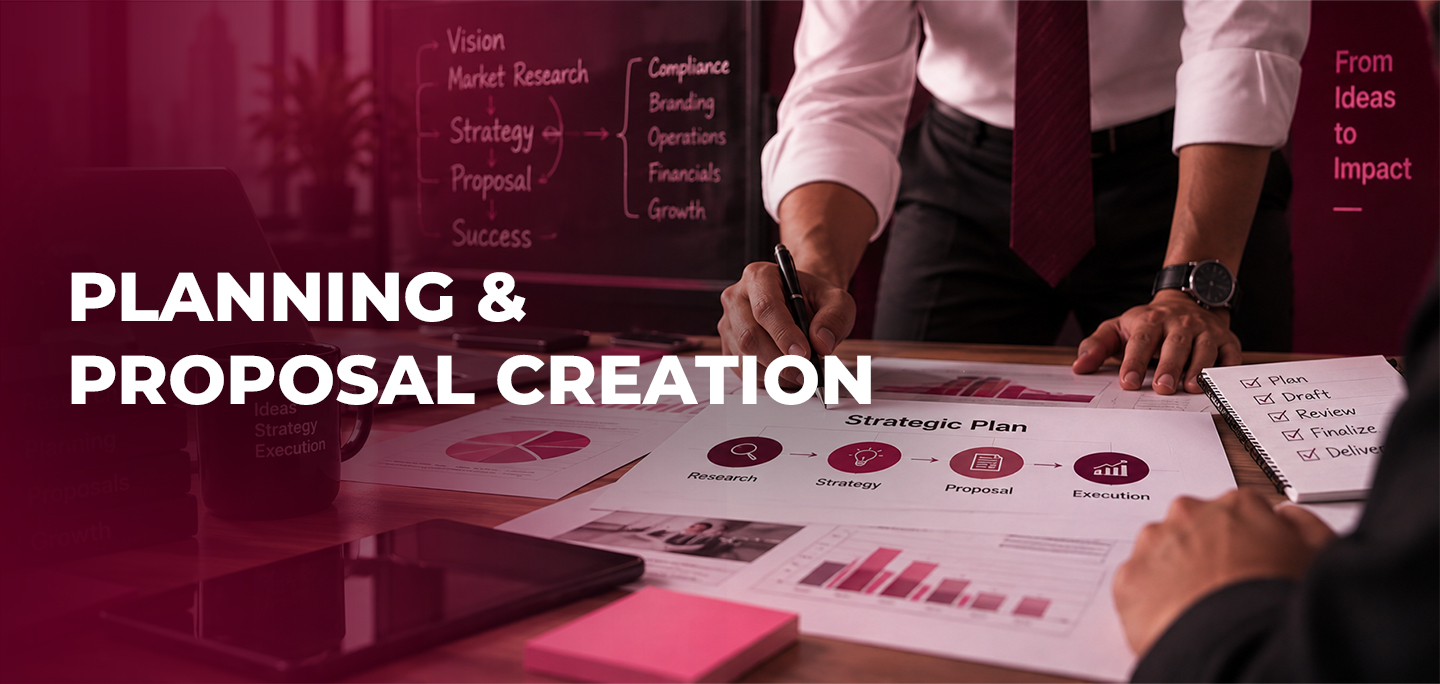
A financial proposal should do more than list numbers. It should explain what the business really needs. It should show where the money will go. It should describe how the business model works. It should make the numbers meaningful.
At Digitiz we build proposals for businesses, projects, investments, expansions, new products, technology initiatives and other business needs. We take data, business assumptions, forecasts and supporting analysis and turn them into a clear easy-to-understand document.
Our work can include investment needs, capital spending, operating expenses, revenue forecasts, pricing assumptions, cash flow, profitability, break-even points and different financial scenarios depending on what the proposal is meant to achieve.
We connect the numbers to the business behind them. This helps stakeholders understand what the financial needs are, what assumptions are being made and what the expected financial results could be.
Whether it’s a startup, a growing business or an established organization Digitiz creates well-structured financial proposals. These documents support planning, help with evaluation, aid funding conversations and guide business decisions.
Financial proposals are documents that explain the money needs, assumptions, predictions and economics of a business, project or investment plan.
Financial proposals can include funding needs, costs, revenue estimates, cash flow predictions, profitability measures, financial assumptions and scenario analysis.
Financial proposals that are well prepared connect these numbers with the underlying business plan giving stakeholders a view of costs, resource needs, financial feasibility and potential outcomes.

Rigorous financial modeling, investment dossiers, and cash flow architecture crafted to support pivotal commercial decisions.
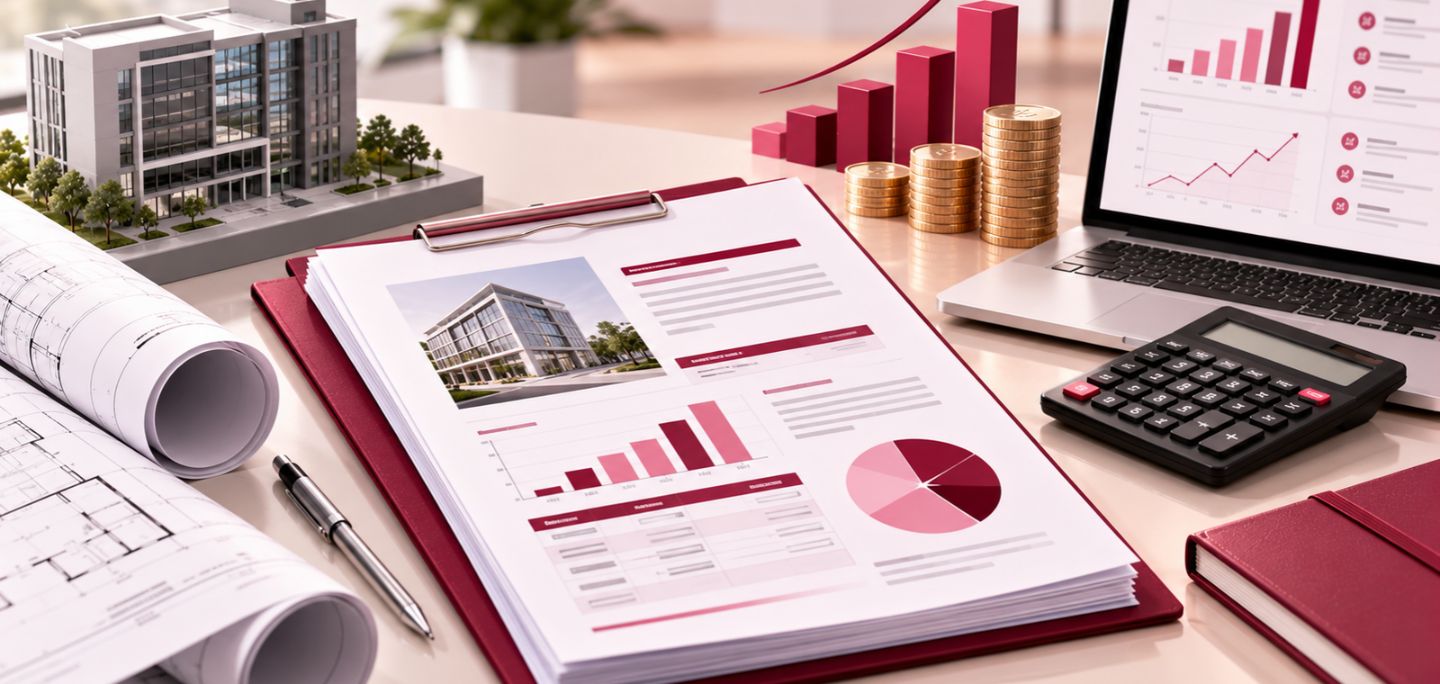 Project Investment
Create proposals that include details on project investment, ongoing operating expenses, expected revenue, funding requirements and projected financial results.
 Business Financials
Build the financial section of a business plan, including revenue models, expenses, multi-year projections, cash flow and profitability.
 Investor Pitch
Structure funding needs, proposed utilization, financial projections and business economics for investor or stakeholder review.
 Dynamic Models
Create dynamic financial models that connect business assumptions with revenue, costs, cash flow, profitability and different scenarios.
 Revenue Forecasts
Develop revenue forecasts using pricing, customer volumes, sales assumptions, growth rates and the proposed business model.
 Budget Analysis
Analyze capital expenditure, operating expenses, resource needs and other costs to develop a realistic project or business budget.
 Cash Flow & Liquidity
Map out the expected cash inflows and outflows to get a clear picture of liquidity needs and how working capital moves over time.
 Break-Even Points
Examine contribution margins, operating costs, and break-even points to determine when a project becomes self-sustaining and profitable.
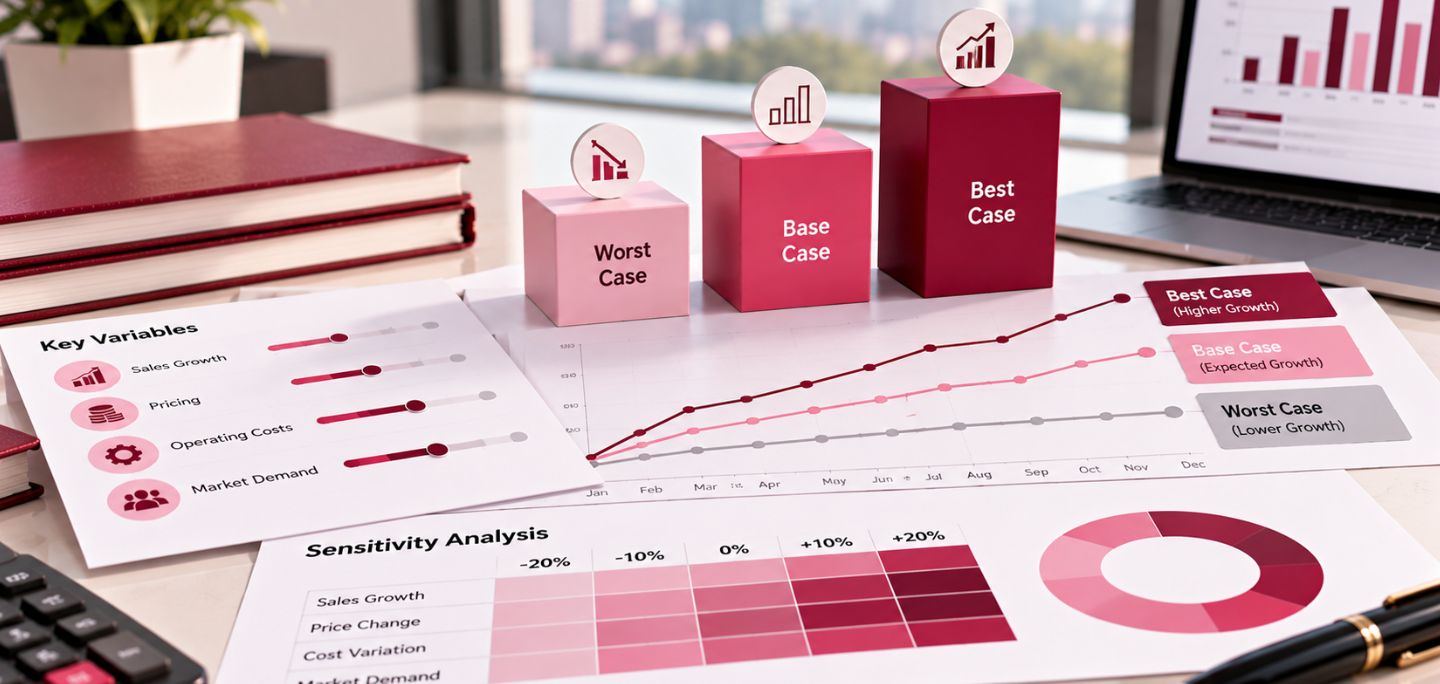 Sensitivity Testing
Test scenarios by varying key assumptions like pricing, sales volume, or costs to evaluate risk factors and upside opportunities.
 Capital Allocation
Determine exact capital requirements and allocate funds across operations, technology, marketing, and working capital for sustainability.
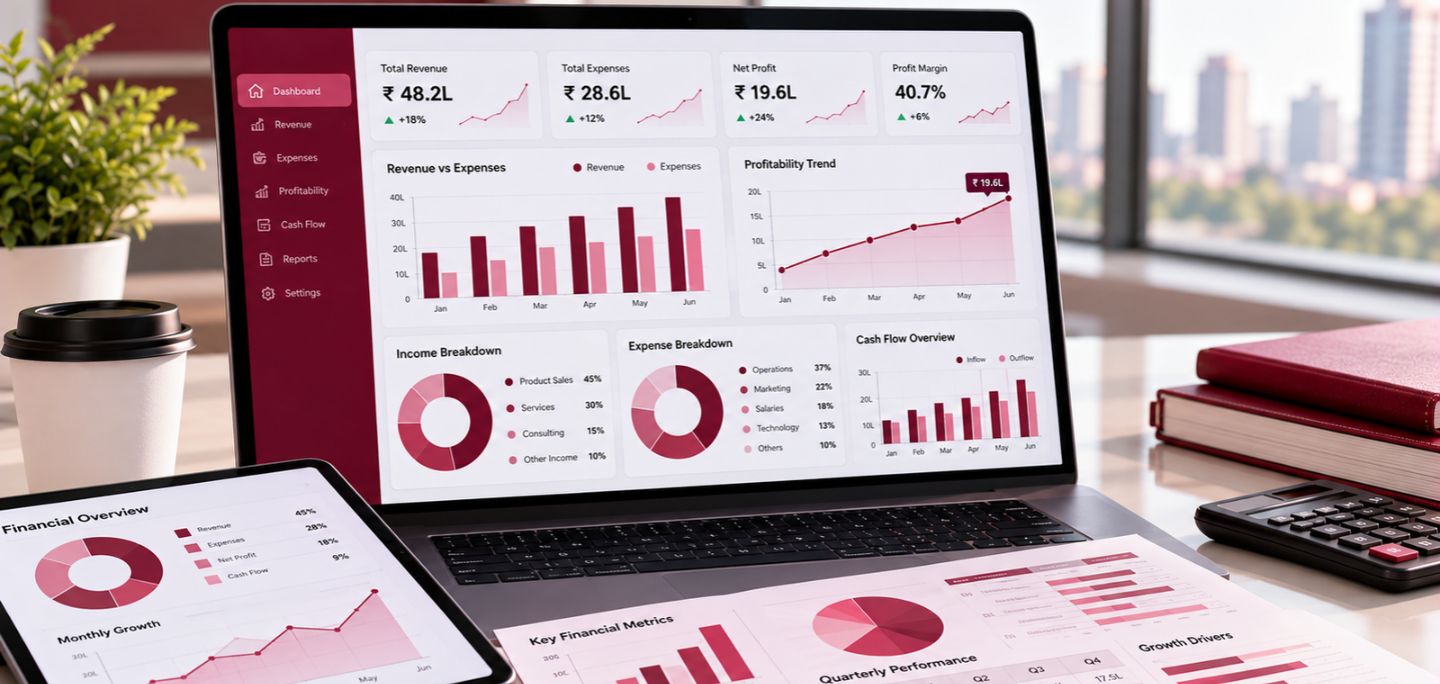 MIS Dashboards
Track key financial metrics in structured executive dashboards to monitor burn rate, margins, and operational performance.
 Executive Decks
Synthesize financial modeling into clear, elegant documentation and slides formatted for investors and board reviews.
Start With the Purpose: We begin by asking: Why is this proposal being made? Who will see it? What kind of financial information needs to be shown? The goal is to align the proposal with its purpose.

No matter whether you are working on a project proposal, a funding request, a business plan or an investment presentation, your financial data must tell a story.
Tell us about your financial modeling, valuation, or advisory requirement.