TDS is not about applying a deduction rate to a payment. Companies need to take into account transaction details, applicable rules, limits, information about the recipient, deduction rates and reporting rules.
At Digitiz we help companies arrange TDS calculation and deduction processes so financial teams can manage information in a more regular way. Our help includes calculation steps, checking data, matching records, keeping documents, creating reports and working with accounting and payroll systems.
We start by learning about your company setup, types of payments, payroll methods, vendor activities and current accounting steps. Based on the rules that apply we help set up processes for finding transactions that need TDS, calculating the amounts to deduct and keeping the records.
Our processes can handle TDS related to salaries as well as other payments that need TDS like professional fees, contract payments, rent, commissions and other types that qualify.
When needed TDS information can be linked to payroll, HRMS and accounting systems, which helps avoid entering the data more than once and keeps financial records the same across the board.
TDS rules can be different depending on what the payment is, the tax rules that apply and the situation of the taxpayer. If there is a need for understanding, checking the rules or getting tax advice our tools and processes can work with experienced tax experts.
With Digitiz, companies can add order to TDS calculations, matching records, keeping documents and making reports.
TDS calculations involve determining how much tax must be taken from payments under the rules of the income‑tax law.
The calculation can depend on things like the type of payment, the rate that applies, the threshold amounts, the details of the person who receives the money, any exemptions and other conditions that the law requires.
Businesses must keep records and finish the required deduction, payment and reporting steps on time.
Digitiz helps organize TDS calculation workflows and links the needed information to payroll and accounting data so that everything stays consistent and visible.

Precise deduction algorithms, threshold validation, and structured record workflows designed for seamless financial governance.
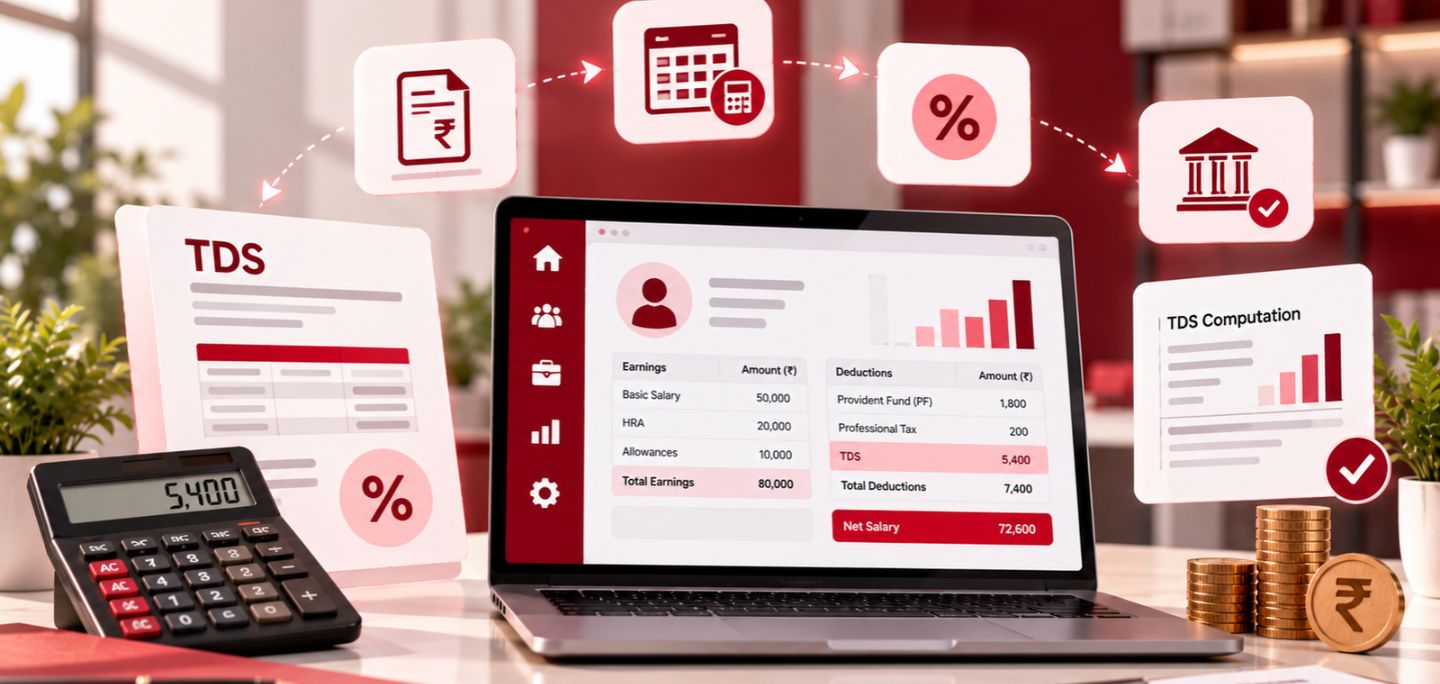 Salary Deductions
Keep employee salary data straight. Bring in all the inputs that are needed to calculate TDS in a clear systematic way and to run payroll smoothly.
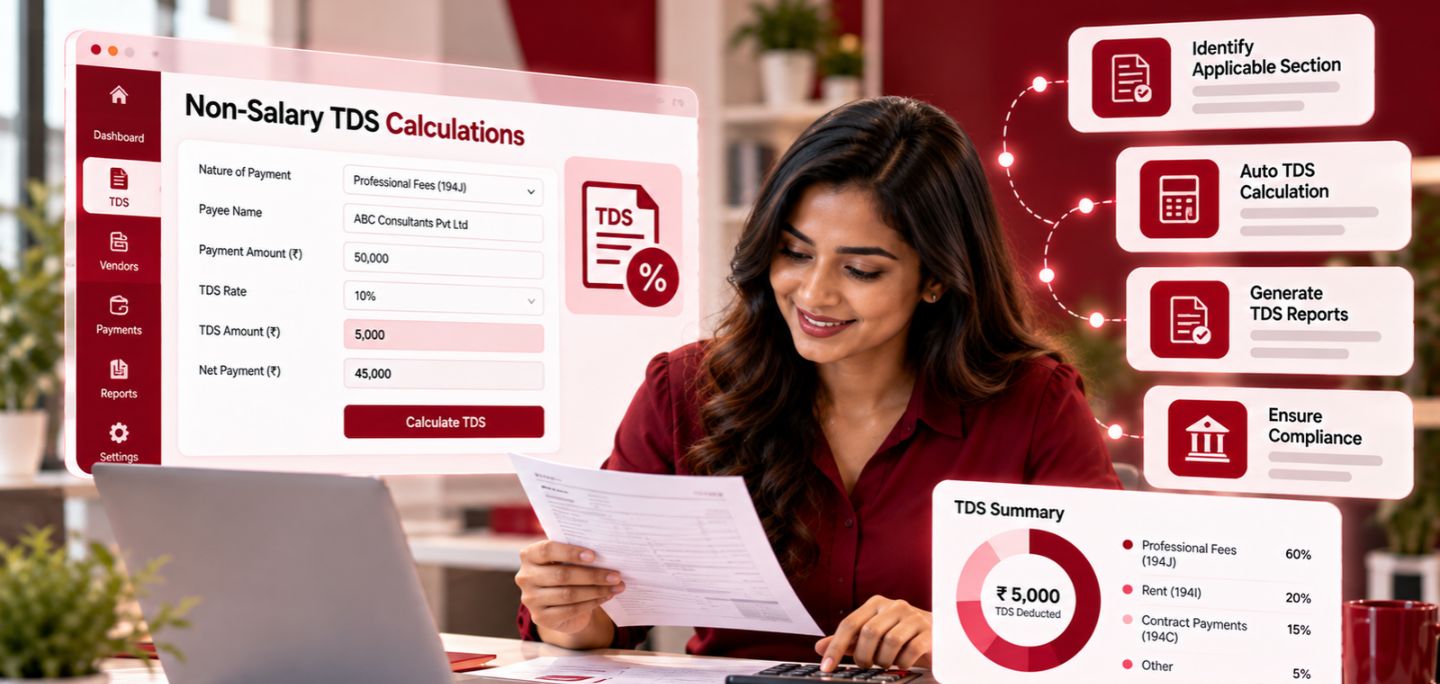 Contract & Rent
Assist with TDS workflows for fees, contract payments, rent, commissions and other qualifying transactions.
 Contract & Rent
Assist with TDS workflows for fees, contract payments, rent, commissions and other qualifying transactions.
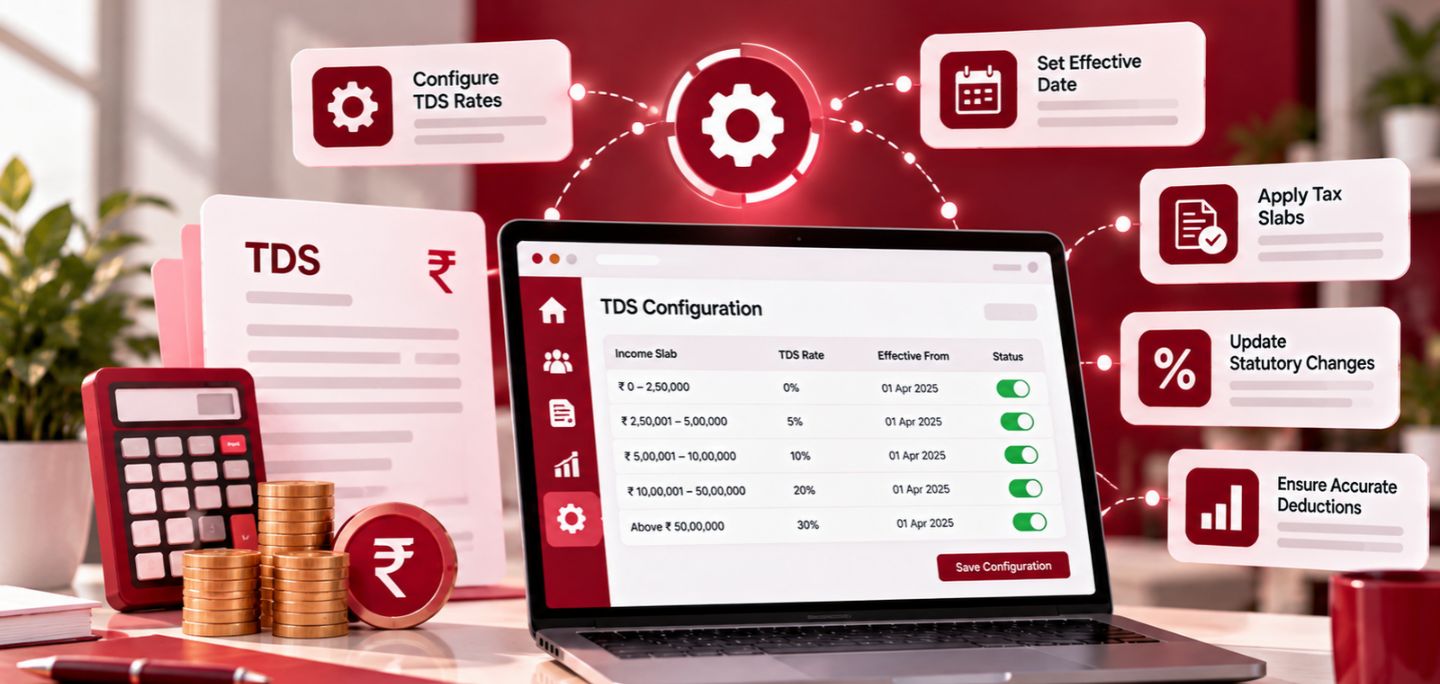 Rate Matrix
Set up the deduction rates and calculation rules for each type of transaction and the rules that apply.
 Threshold Checks
Check each transaction against the set thresholds and the rules that apply before the TDS workflow starts.
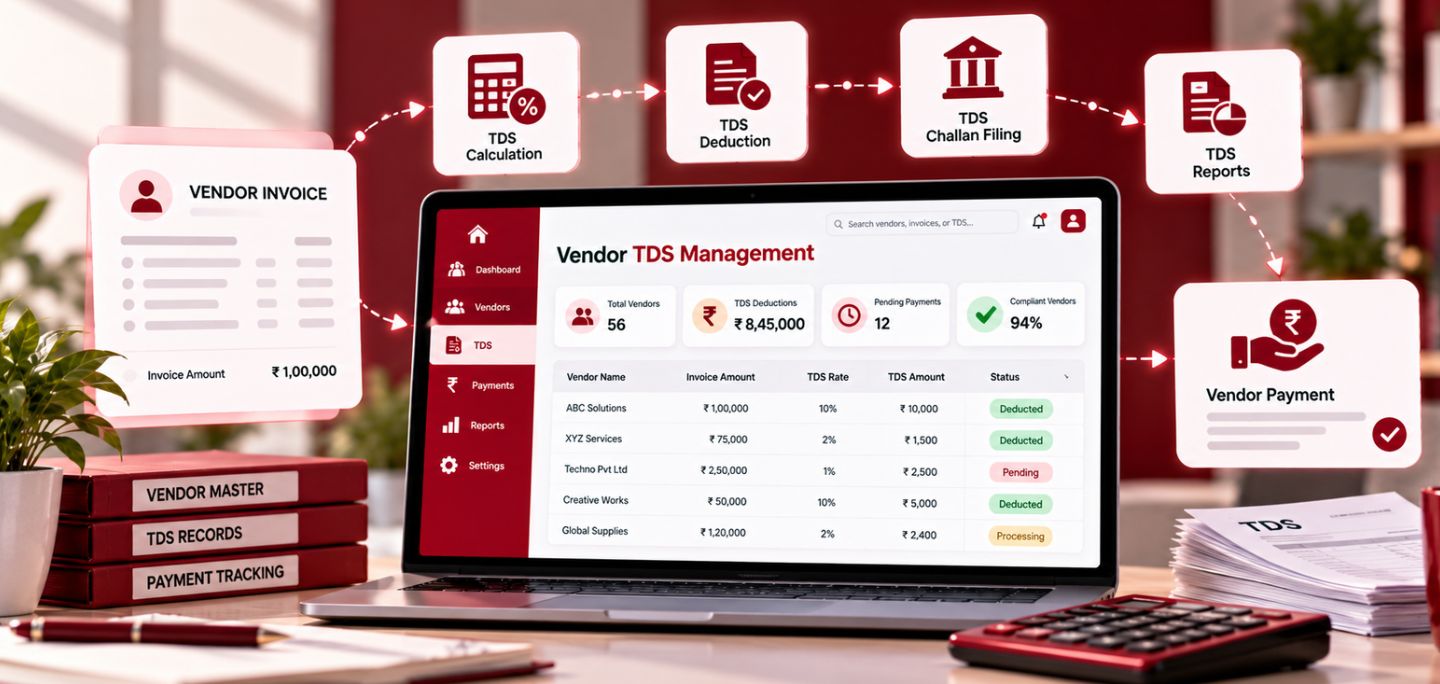 Vendor Records
Organize vendor payment records that are needed for the TDS deduction and for accounting purposes.
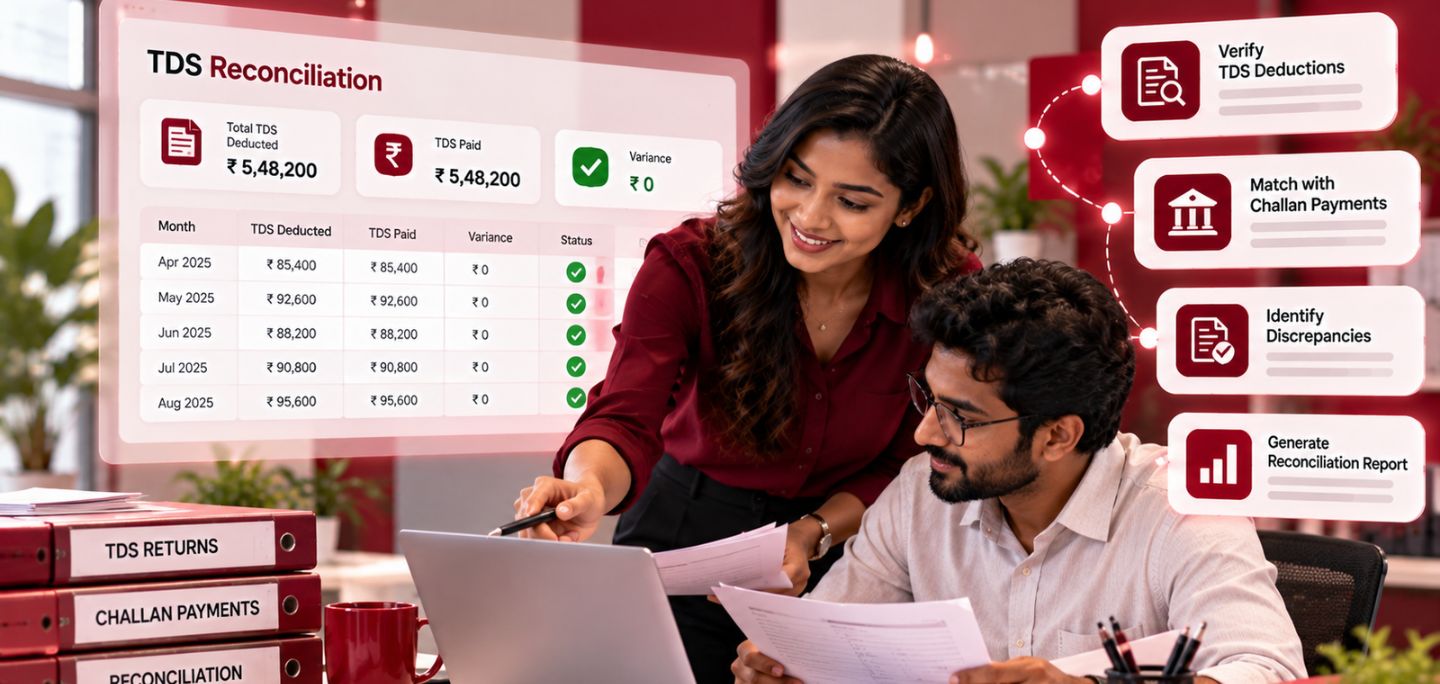 Data Matching
Compare the TDS amounts that were calculated with the payroll, accounting and transaction records to spot any mismatches and problems.
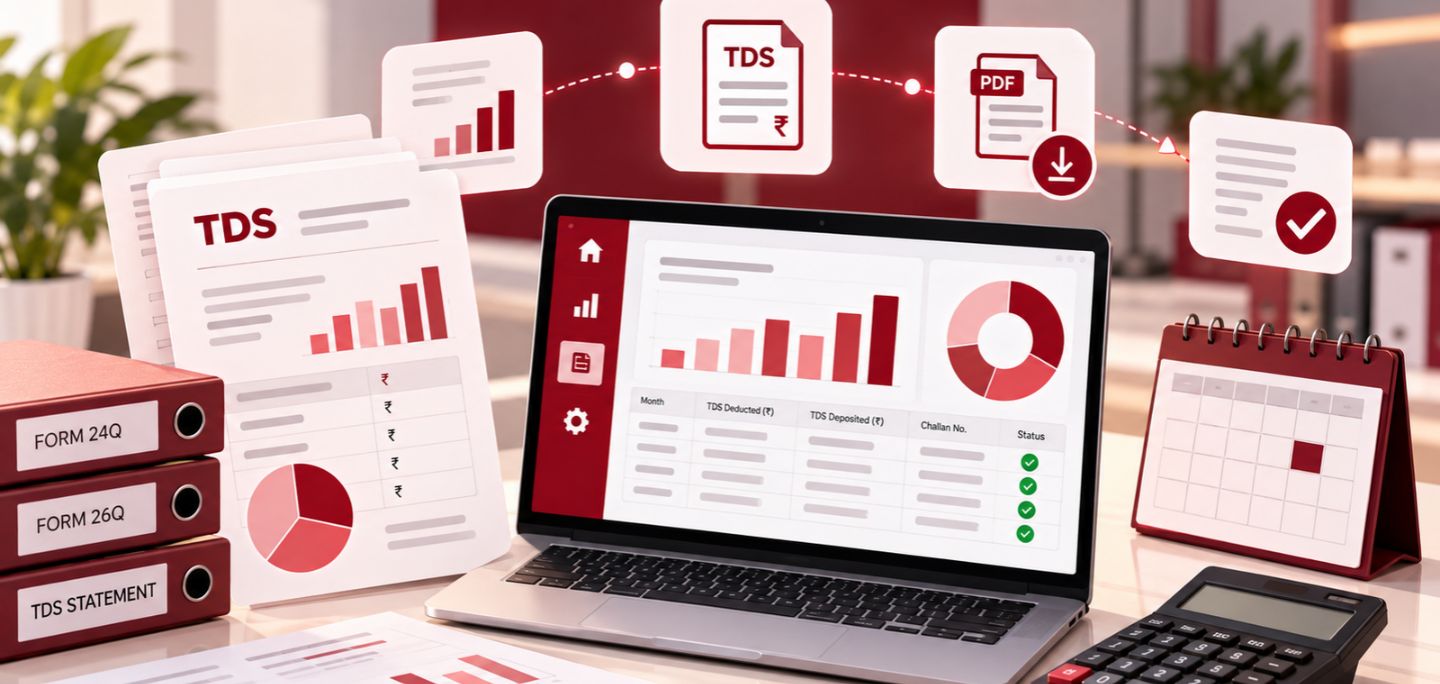 Audit Statements
Create reports that include deduction details, transaction information and other important data needed for reporting purposes.
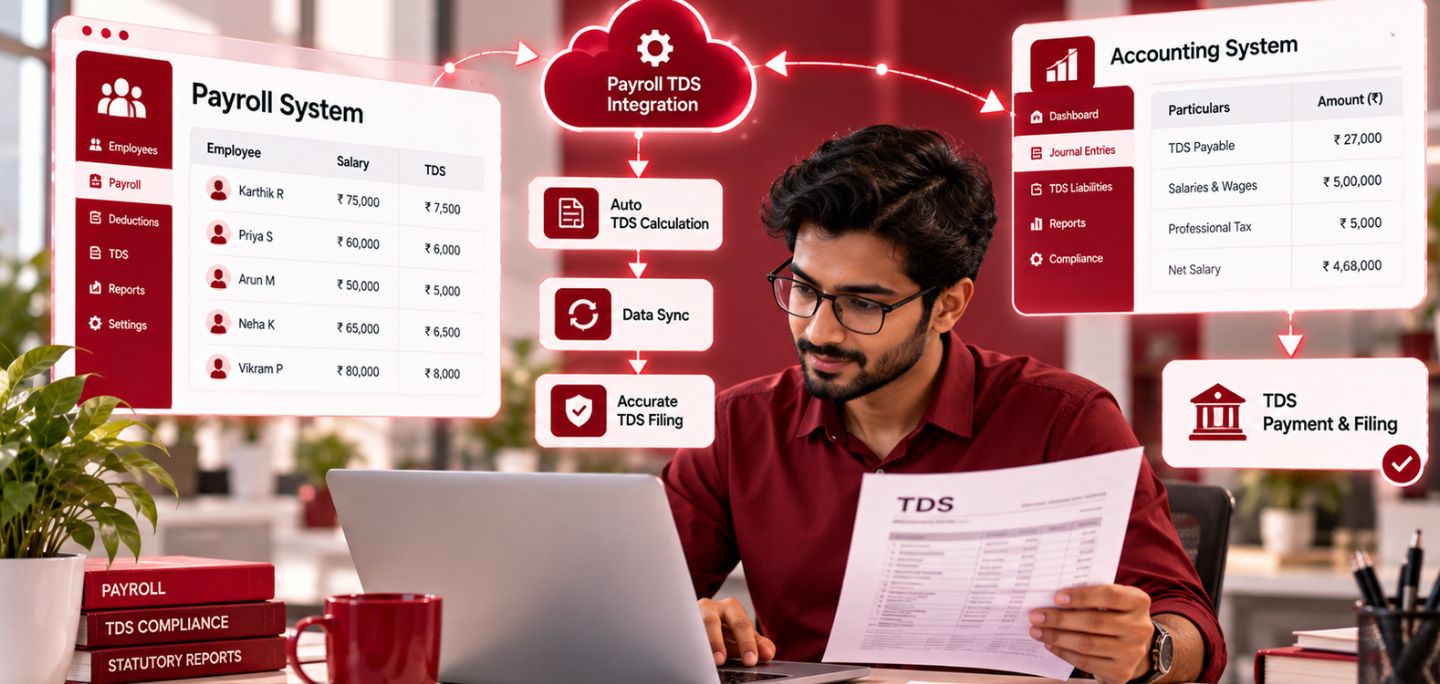 Payroll Sync
Link employee payroll data with TDS processes to help with salary calculations and deduction handling.
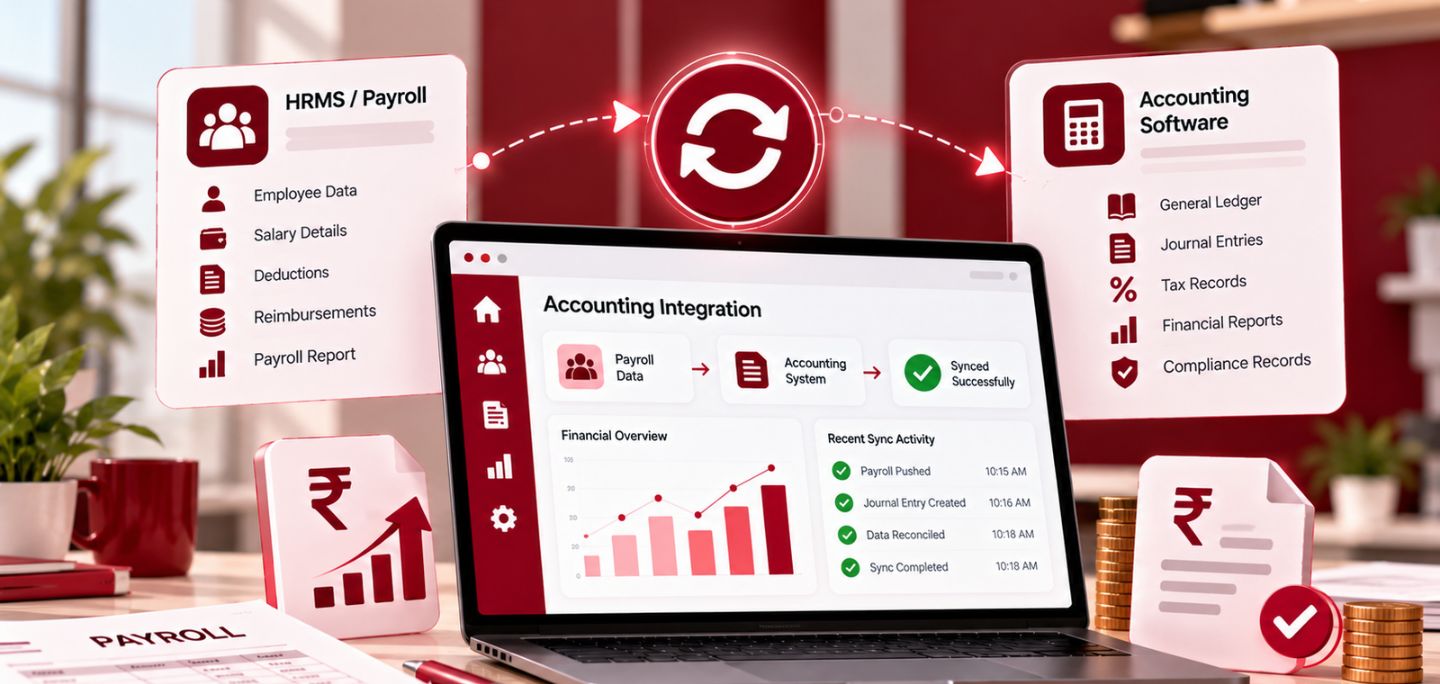 Accounting Flow
Link TDS data with accounting processes to make sure financial records are correct and to cut down on entering the data more than once.
 Record Archiving
Keep TDS transaction records in order along with supporting documents, access rules and proper ways to keep data for the required time.
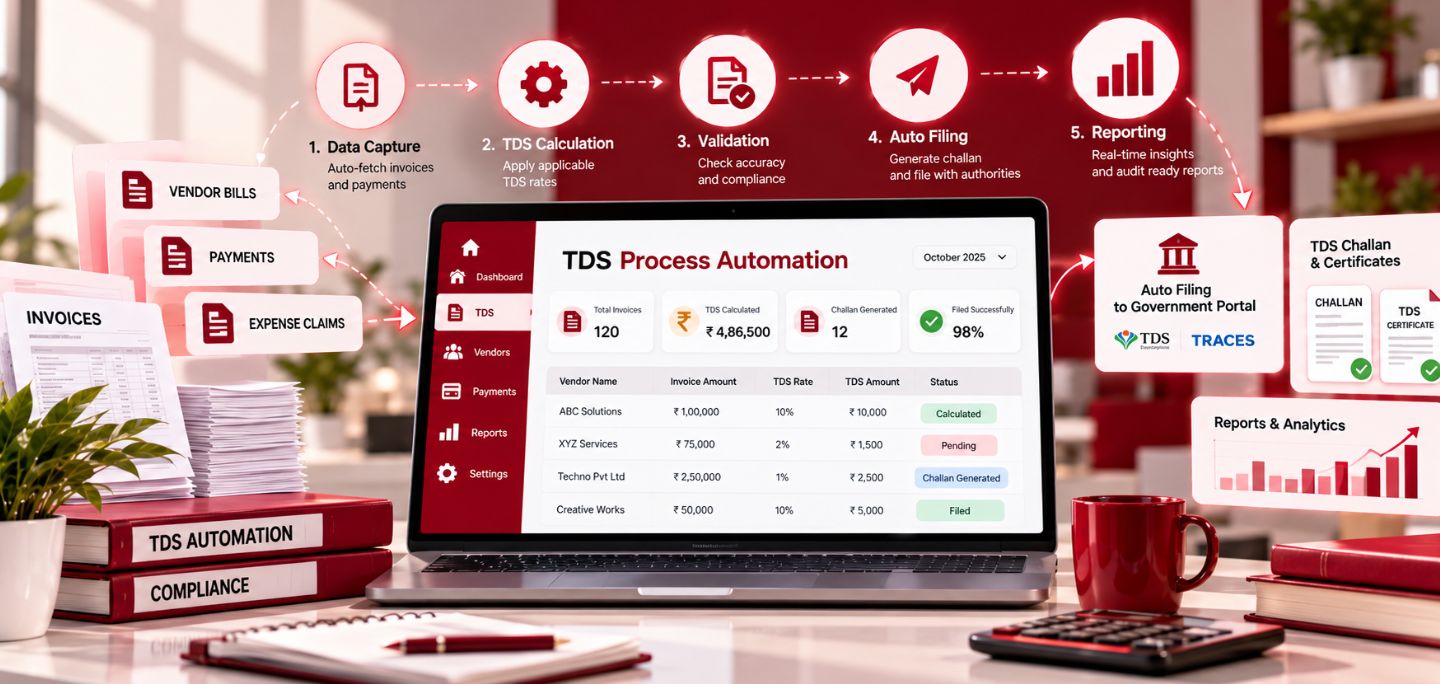 Process Automation
Automate tasks like calculating, checking, matching and reporting to reduce the need for repetitive manual work.
 Statutory Support
Help with TDS compliance steps and work with tax experts when it is needed to understand rules or do a legal check.
Know Where TDS Applies: We look at your business setup, types of payments, payroll activities, vendor deals and your current financial steps.

TDS deduction and filing becomes effortless when you use structured calculations, automated threshold tracking, and synchronized accounting records.
Share your payment types, monthly volume, and accounting integration requirements.